How to Read a Slot Paytable: Symbols, Wins and Hidden Numbers
Every slot game has a screen most players never open. The paytable is the game's contract: it tells you what each symbol is worth, how wins are counted, how the bonus features trigger, and what return the game is set to. Two minutes of reading it before your first real bet beats two hours of guessing. This guide shows you how to read it like someone who knows what to look for, with real examples from Pragmatic Play games.

Official game art: Pragmatic Play.
What a paytable is
A paytable is the page inside the game that documents its rules. Think of it as the contract between you and the game: it states what each symbol pays, which combinations win, how the special symbols work, what triggers the bonus features, and what the game's RTP is set to. It is part of the game itself, so it always describes the exact version you are playing, at the exact casino where you are playing it.
Finding it is easy. Look for a button marked with an "i", the word "info" or "help", or a question-mark icon. It usually sits in a corner of the game screen, often at the bottom. One tap opens several pages: symbol values, win rules, feature descriptions and game settings. Flip through all of them, not just the first one. The numbers that matter most for your money - RTP, bonus triggers, max win - are often on the later pages.
The paytable also contains the fine print: minimum and maximum bet, what counts as a malfunction, and the rules of any buy-feature. If anything about a game ever surprises you - a win that paid less than expected, a bonus that triggered differently than you assumed - the answer is almost always written in this screen.
Symbol values: how to read them
The first page of a paytable is usually a ranked list of symbols, from the most valuable down to the least. Next to each symbol you see a row of numbers for 3 of a kind, 4 of a kind and 5 of a kind. These numbers are not coins or credits: they are multipliers of your bet. If the paytable says 3 of a kind pays 5x and your bet is 1, that combination pays 5.
Two things to check before you do any math in your head:
- Multiplied by what? Modern paytables usually express values as multiples of your total bet. Some older games show values per line bet instead. The paytable says which one it uses - check the header or the rules page, because it changes every number you read.
- Which symbols pay for 2 of a kind? Most slots only pay from 3 matching symbols up. Some high-value symbols pay for just 2. If a symbol has no 2-of-a-kind column, it pays nothing for 2.
Then come the two special symbols, and they get their own pages because they do not behave like the rest:
- Wild: the substitute. It stands in for regular symbols to complete winning combinations, like a joker in a card game. The paytable tells you exactly which symbols it can replace - and which it cannot.
- Scatter: the trigger. Scatters pay or launch features no matter where they land on the reels, and they usually cannot be replaced by a wild. This one detail explains a lot of "almost" moments.

Official game art: Pragmatic Play.
A classic example is Big Bass Bonanza. Its paytable shows a fisherman as the wild symbol, but with a catch you only learn by reading: the fisherman appears only during the free spins round. If you judged the game by its base game alone, you would never know the most important symbol is waiting in the bonus.
How wins are counted
Before the symbols matter, the paytable tells you what counts as a win at all. Modern slots use a few different systems, and mixing them up is one of the most common beginner mistakes:
- Fixed paylines: the game pays when matching symbols land on specific line patterns, usually starting from the leftmost reel. Your bet covers all lines at once. Wolf Gold is a clean example: 5 reels, 3 rows, 25 fixed paylines, and wins pay for 3 or more matching symbols from the left.
- Ways to win: matching symbols on consecutive reels win no matter where they sit on each reel. A common format is 243 ways. Position on the reel does not matter, only that the symbols land on reels next to each other.
- Pays anywhere (scatter pays): the count is all that matters. In Sweet Bonanza, landing 8 or more matching symbols anywhere on the 6 by 5 grid awards a win - no lines, no adjacency, no positions. Winning symbols are then removed and new ones tumble in, which can chain several wins from a single spin.
- Cluster pays: groups of matching symbols touching each other pay out, with no lines involved. It is a cousin of the pays-anywhere system, focused on symbols that connect rather than a raw count.
One rule applies to all of these: the win system changes how wins are distributed, not how much the game returns overall. More paylines or more ways does not mean a higher RTP. If you want the full picture of what the win system does and does not change, see our guide on how online slots actually work.
Bonus features inside the paytable
In most modern slots, the base game keeps you playing and the bonus features pay. This is why the feature pages of the paytable deserve the most attention. Read them before you bet, because they tell you exactly where the game's value is concentrated:
- Free spins and multipliers: in Sweet Bonanza, landing 4 or more lollipop scatters triggers 10 free spins. During the free spins, multiplier bombs worth 2x to 100x can appear and apply to your wins. The paytable spells out both the trigger and the multiplier range.
- Collector wilds: in Big Bass Bonanza, the free spins round fills the reels with fish symbols carrying cash values, and the fisherman wild collects every visible value when it lands. Collect enough fishermen and the round retriggers with a multiplier that can climb to 10x. The whole mechanic only exists inside the bonus, which the base-game paytable page hints at and the feature pages explain.
- Hold and win respins: in Wolf Gold, landing 6 or more moon symbols triggers the Money Respin: 3 respins where each new moon resets the counter. Fill all 15 positions and you take the Mega Jackpot of 1,000x your bet. During the free spins, the three middle reels merge into one giant symbol. Both features are described symbol by symbol in the paytable.
- Random multipliers: in Gates of Olympus, multipliers are the headline mechanic. The paytable shows which symbols carry them and when they apply.

Official game art: Pragmatic Play.
The practical question to ask yourself: where do the big numbers live in this paytable? If the largest payouts and multipliers sit in the bonus pages, that is a game where the bonus does the heavy lifting - and where your bankroll needs to survive until the bonus arrives. The paytable gives you that answer in black and white before you spend a cent.
The numbers: RTP and everything else
The last pages of the paytable hold the numbers that describe the game's math. The most important one is RTP (Return to Player): the theoretical percentage of all wagered money the game pays back over millions of spins. For example, Sweet Bonanza is listed at 96.48% RTP. That number is not a promise for your session - it is the long-term math of the game - but it is the single most honest number the game shows you.
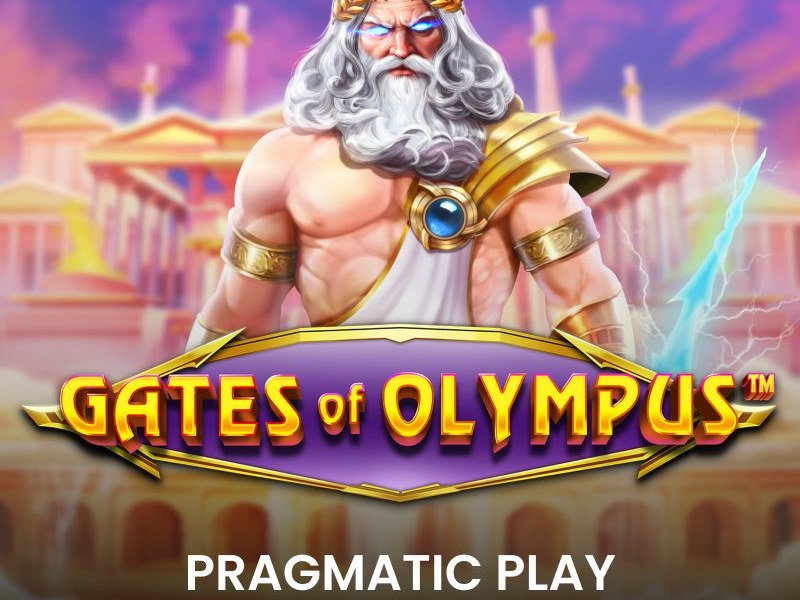
Official game art: Pragmatic Play.
Here is the detail many players miss: many providers release the same slot with several RTP settings, and each casino picks one. The figure in a review or a database might not match the figure where you play. The only number that counts is the one in the paytable of the game in front of you. If you want to compare RTP figures across games first, our slot RTP database is built for exactly that.
Two more numbers often share the page with RTP:
- Volatility rating: the game's own label for how it delivers wins - frequent and small, or rare and large. Sweet Bonanza is rated high volatility, which tells you dry spells are normal and the bankroll needs to match.
- Max win: the largest payout the game advertises as a multiple of your bet. Sweet Bonanza lists 21,100x. Treat it as the ceiling, not a target - it is the extreme outcome the math allows, not something the game owes you.
A 5-minute routine: reading a paytable before you play
Open the game, find the info button, and work through this checklist. It takes about five minutes and it is the cheapest education in gambling:
- Find the RTP. Note the figure and confirm it is the setting at your casino, not a number you saw in a review.
- Check the win system. Paylines, ways, pays anywhere or cluster - know what counts as a win before you spin.
- Scan the symbol values. See what the top symbols pay for 3, 4 and 5 of a kind, and whether values are per total bet or per line.
- Read the wild and scatter pages. What does the wild substitute for, what can it not replace, and what exactly triggers the scatter feature?
- Read the bonus rules. How does the feature trigger, what happens inside it, and where do the big multipliers live?
- Note volatility and max win. Match the game's rhythm to your bankroll: high volatility plus a small deposit is usually a short session.
- Try the demo first. The demo uses the same paytable and math as real play. Use it to see the features in action before betting.
Do this once per new game and it becomes habit. Players who read paytables do not win more often - the math does not care - but they stop being surprised, they size their bets to the game, and they never pay to learn what the info button would have told them for free. If gambling ever stops being fun, our responsible gambling page lists the warning signs and where to get help.
FAQ
Where do I find the paytable in a slot game?
Look for a button marked with an "i", the word "info" or "help", or a question mark icon. It usually sits in a corner of the game screen, often at the bottom. Tapping it opens the paytable and the game rules, which are part of the game itself and always reflect the exact version you are playing.
What does "3 of a kind pays 5x" actually mean?
It means that landing three matching symbols in a winning position pays five times your bet. On a 1 bet, that combination returns 5. Modern paytables usually express values as multiples of your total bet; older games sometimes show them per line bet, so check which one the paytable uses before doing the math.
Why does the RTP differ between casinos?
Many providers ship the same slot with several RTP settings and let each casino pick one. The game code is identical but the return is configured differently, which is why the only trustworthy number is the one in the paytable or game info of the game you actually play.
Is the paytable the same in demo mode?
Yes, at certified providers the demo and the real-money game share the same math, symbols and paytable. The demo is the game's honest face, which is exactly why trying it first is useful: the paytable you read in the demo is the paytable you will get when you bet.
What is the difference between a wild and a scatter?
A wild is a substitute: it stands in for regular symbols to complete winning combinations, like a joker in a card game. A scatter is a trigger: it pays or launches bonus features no matter where it lands on the reels, and it usually cannot be replaced by a wild. Read both symbols' pages in the paytable before you play.